Biological Sample Transport Case: Advanced Cold Chain Packaging for Clinical Specimens
5 Key Takeaways: Biological Sample Transport Case: Advanced Cold Chain Packag
- Topic: CDC — industry context for B2B buyers and procurement teams
- Date: 2026-09-11 — current standards, certifications and market conditions
- Applications: protective cases for industrial tools, MRO, photography, drones, defense, medical devices, marine, audio
- Procurement: MOQ 500 pieces per Pantone color, 30–45 days lead time after tooling approval, CE/RoHS/REACH/ISO 9001
- Shipping: EXW Guangdong (pickup) or FOB Shenzhen / Ningbo (sea freight). 28–35 days to Hamburg / Rotterdam
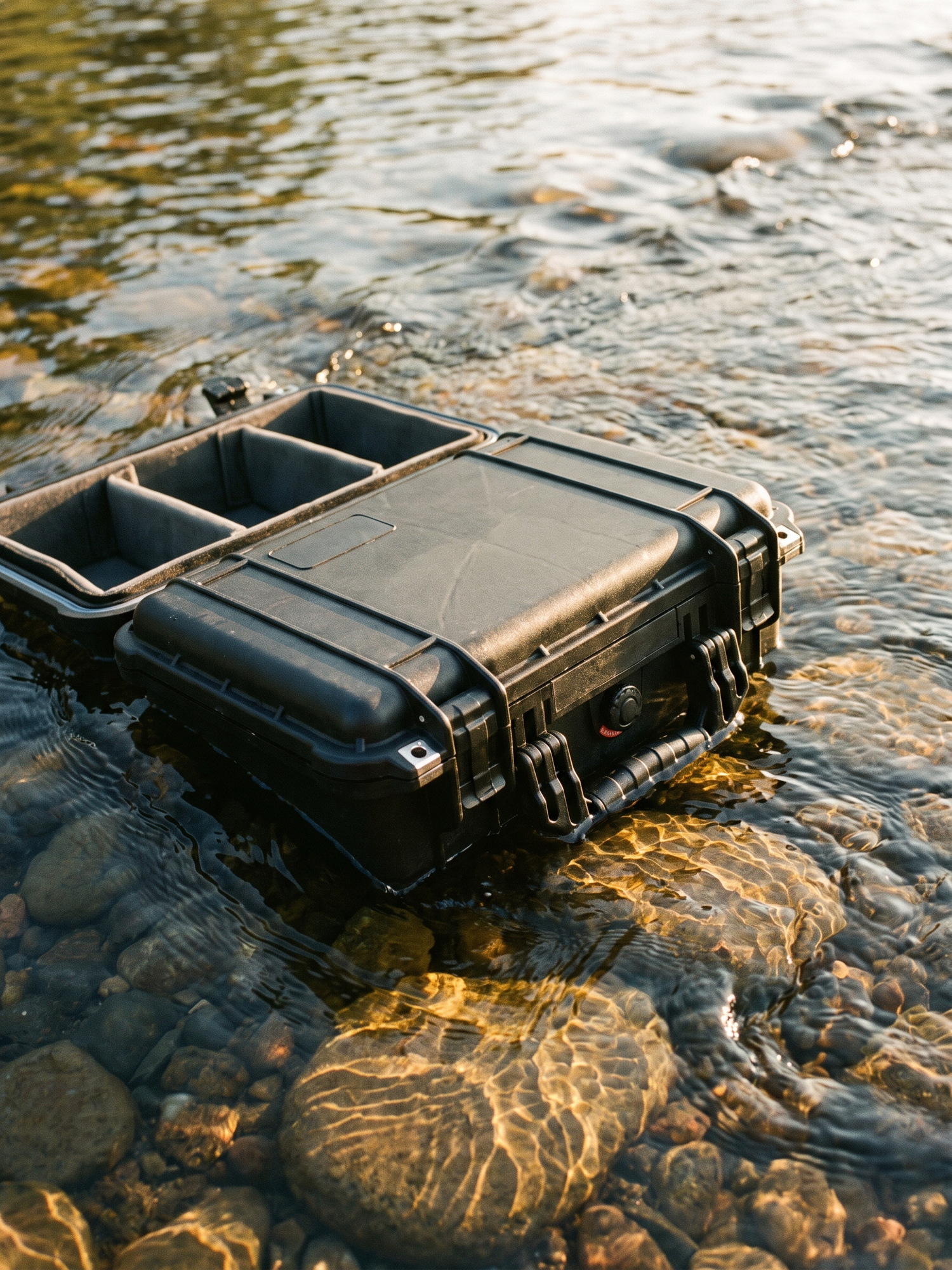
Purpose-Built for Clinical Specimen Logistics
Clinical specimen logistics require more than temperature control — they demand validated, documented, and auditable transport processes that protect patient safety and research integrity. KeXinMaterials provides comprehensive cold chain packaging solutions that meet the stringent requirements of modern healthcare systems and research institutions.
Regulatory Framework Compliance
UN3373 Category B Packaging
Our biological sample transport cases meet all UN3373 Category B requirements:
- P650 performance packaging: Certified drop test performance from 9 meters
- Leak-proof secondary containment: Individual sample tube containment with absorbent material
- Rigid outer packaging: Structural integrity under normal transport conditions
- Marking requirements: UN3373 symbol, sender/receiver information, and handling instructions
Good Distribution Practice (GDP)
For pharmaceutical and clinical applications, our cases support GDP compliance through:
- Continuous monitoring compatibility: Integrated data logger mounting positions
- Tamper-evident closures: Serial-numbered security seals
- Temperature excursion documentation: Automatic logging with deviation alerts
- Chain of custody records: Time-stamped handoff documentation
Temperature Control Technology
Phase Change Material (PCM) Selection Guide
Selecting the correct PCM is critical for maintaining specimen viability:
| Specimen Type | Temperature Range | PCM Specification | Maximum Transit Time |
|---|---|---|---|
| Whole blood | 2-8°C | 4°C water-based gel | 48 hours |
| Plasma (fresh frozen) | -18°C or below | -21°C eutectic pack | 36 hours |
| Platelet concentrate | 20-24°C (ambient) | 22°C PCM panel | 24 hours |
| DNA/RNA samples | 2-8°C | 4°C gel pack | 72 hours with VIP |
| Enzyme solutions | 15-25°C | 20°C organic PCM | 48 hours |
| Cryopreserved cells | -196°C (liquid nitrogen) | Dry shipper with absorbent | 10 days |
Vacuum Insulation Panel (VIP) Technology
For extended transit times, our VIP-insulated cases provide superior thermal performance:
- 10x the thermal resistance of conventional foam insulation
- Reduced refrigerant weight requirements
- Consistent performance across ambient temperature ranges (-20°C to +50°C)
- Reusable VIP panels with 5-year service life
Case Construction and Features
Structural Design
- EPP (Expanded Polypropylene) shell: Lightweight (up to 40% lighter than EPE foam), durable, and chemical resistant
- Reinforced PP / ABS / PP-ABS frame: Corner protection and stacking capability
- Ergonomic handles: Tested for 50kg load capacity
- Integrated wheels: Heavy-duty inline skates for ground transport
Closure and Security
- Double-latch lid system: Positive sealing with visual compression indicator
- Tamper-evident security seals: Numbered, single-use cable ties
- Emergency access protocol: Quick-release mechanism for urgent sample retrieval
- Optional pressure-equalization vent (8-series / Trolley IP68 models only): Prevents vacuum formation during altitude changes
Interior Configuration
- Modular foam inserts: Pre-cut configurations for common specimen container formats
- Rack system compatibility: Accommodates standard 2ml, 5ml, and 10ml cryovials
- Absorbent secondary containment: Full-box absorbent liner for leak protection
- Humidity control: Desiccant packet accommodation
Validation and Testing
ISTA 7D Thermal Validation
Every KeXinMaterials thermal case undergoes ISTA 7D thermal performance testing:
- 24-hour exposure profile: Simulates full overnight transit cycle
- Worst-case placement study: Thermal mapping at full load, half load, and corner positions
- Seasonal performance verification: Tested at 35°C summer and -5°C winter conditions
- PCM conditioning protocol: Standardized pre-conditioning before deployment
Quality Assurance
- Batch testing: Random sampling from each production batch
- Serial number traceability: Each case tracked from manufacture to end user
- Material certificates: CoC for all PCM and insulation materials
- Calibration verification: Data logger calibration traceable to national standards
Application Scenarios
Hospital Laboratory Networks
Daily specimen transport between collection points and central processing laboratories:
- Standard configuration: 200 blood collection tubes (4ml) or 48 standard 10ml serum tubes
- Turnaround time: 4-8 hours for routine specimens
- Reusability: Designed for 500+ loading cycles with proper maintenance
Clinical Trial Specimen Handling
For Phase I-IV clinical trials requiring GxP compliance:
- Protocol-specific labeling and documentation
- Individual specimen-level temperature logging
- Investigator site-to-central lab logistics
- Return logistics for residual specimens
Biobank Distribution
Long-distance distribution of archived research specimens:
- Liquid nitrogen dry shipper options for cryopreserved samples
- 10-day transit capability for international shipments
- 2D barcode tracking integration
- Reconditioning protocols for return shipment
FAQ
Q: What is the difference between your standard foam case and VIP-insulated case?
A: The key difference is thermal resistance. Standard foam cases provide 24-36 hours of temperature maintenance at 2-8°C. VIP-insulated cases extend this to 48-72 hours using vacuum insulation panels that reduce heat transfer by up to 90%. For shipments exceeding 36 hours or routes with variable ambient conditions, VIP insulation is recommended.
Q: Do you provide validated temperature data for regulatory submissions?
A: Yes. We provide ISTA 7D test reports, thermal mapping studies, and PCM qualification data suitable for inclusion in regulatory submissions. Our quality team can also support customer-specific validation studies.
Q: How do I validate the performance of these cases for my specific application?
A: We recommend a three-step validation approach: (1) Review our published ISTA 7D data for comparable configurations, (2) Conduct a user validation study using your actual specimens and transit conditions, (3) Implement continuous monitoring during initial deployment to confirm thermal performance.
Q: What maintenance is required for reusable cases?
A: After each use, clean the interior with hospital-grade disinfectant (70% IPA or equivalent). Inspect the closure system for wear and replace seals annually. VIP panels require no maintenance beyond visual inspection. PCM gel packs are single-use and must be replaced after each shipment.
Q: Can the cases accommodate our existing specimen rack system?
A: Yes. Our modular foam system can be configured to accept most standard laboratory rack formats. Share your rack dimensions and we will provide a custom foam layout. MOQ for custom foam configurations is 25 units.