Blade Box Packaging: Industrial Protection for Precision Cutting Tools
5 Key Takeaways: Blade Box Packaging: Industrial Protection for Precision Cut
- Topic: Blades — industry context for B2B buyers and procurement teams
- Date: 2026-09-11 — current standards, certifications and market conditions
- Applications: protective cases for industrial tools, MRO, photography, drones, defense, medical devices, marine, audio
- Procurement: MOQ 500 pieces per Pantone color, 30–45 days lead time after tooling approval, CE/RoHS/REACH/ISO 9001
- Shipping: EXW Guangdong (pickup) or FOB Shenzhen / Ningbo (sea freight). 28–35 days to Hamburg / Rotterdam
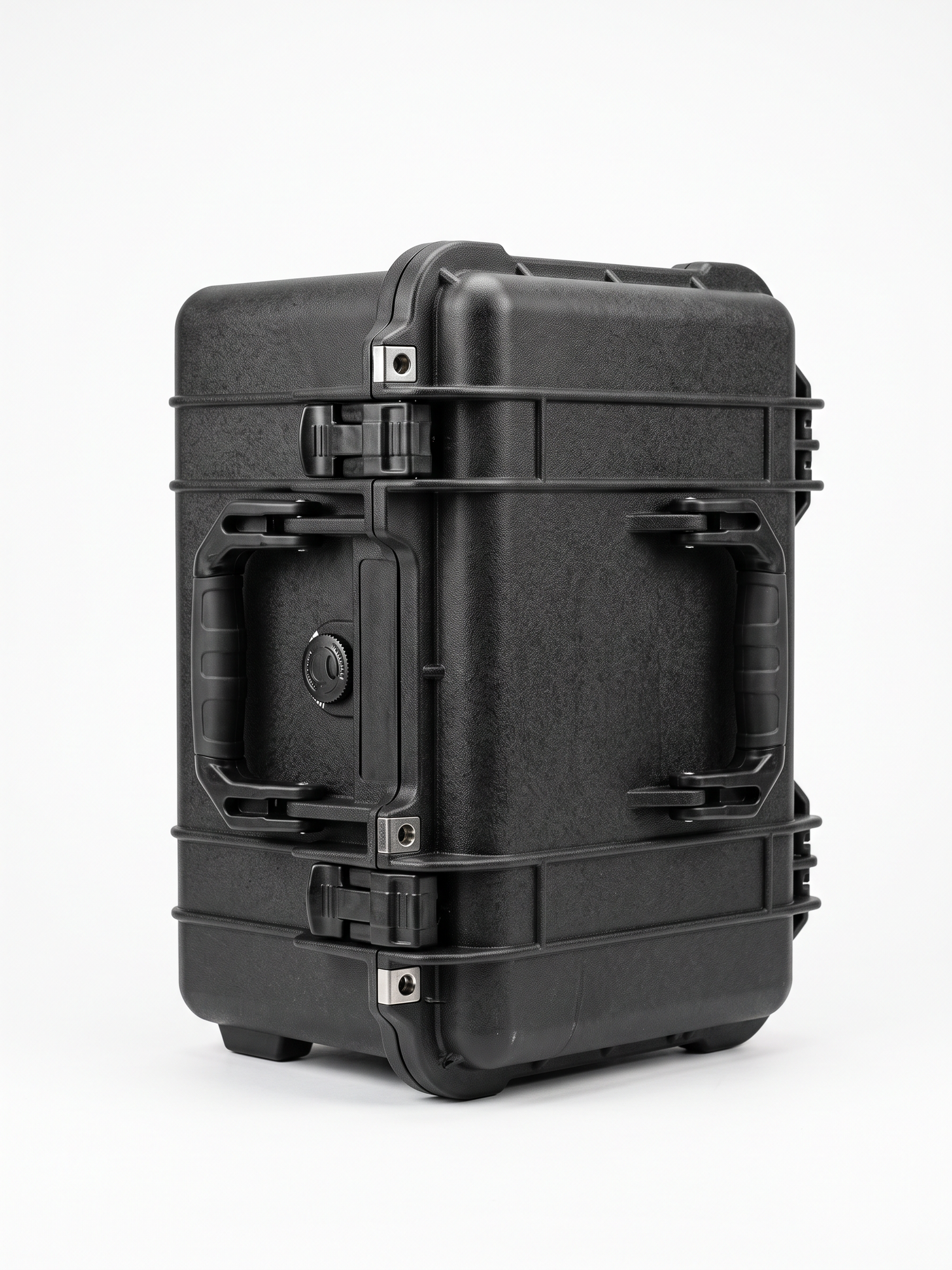
The Critical Role of Industrial Blade Protection
Industrial cutting tools represent a significant investment for manufacturing operations, and proper packaging is essential for maintaining their performance characteristics from warehouse to production line. KeXinMaterials engineers blade packaging solutions that protect against corrosion, physical damage, and contamination throughout the supply chain.
Blade Packaging Challenges
Corrosion Prevention
Metal blades face constant threats from environmental moisture and handling contamination:
- Carbon steel blades: Highly susceptible to rust, requiring immediate post-grinding protection
- HSS (High-Speed Steel): Chrome content provides some corrosion resistance but still requires protection
- Carbide-tipped blades: Tungsten carbide is corrosion-resistant, but the steel body requires protection
- Ceramic blades: Susceptible to edge chipping from impact despite chemical resistance
Our packaging incorporates VCI (Vapor Corrosion Inhibitor) technology:
- VCI emitter chips: Placed in foam inserts, releasing protective molecules
- VCI poly bags: Inner packaging layer providing continuous protection
- Desiccant inclusion: Moisture absorption for humidity control
- Oil barrier film: Prevents fingerprint corrosion during handling
Edge Protection
Blade edges are the most vulnerable component and require specialized protection:
- Radiussed edge guards: Flexible rubber or plastic edge protectors
- Shroud design: Full perimeter containment to prevent edge contact
- Separation foam: Individual blade pockets prevent contact between blades
- Non-abrasive liners: Soft-touch materials that prevent edge micro-chipping
Vibration and Impact Resistance
Industrial blades are subjected to significant handling stress:
- High-density EVA foam: Absorbs impact energy during drops
- Foam compression zones: Designated areas that deform during impact
- Reinforced outer shell: PP / ABS / PP-ABS options
- Stack load capacity: Structural integrity under warehouse stacking
Modular Box System
Our blade packaging system supports multiple blade formats:
| Blade Type | Standard Size Range | Recommended Box Type | Foam Configuration |
|---|---|---|---|
| Circular saw blades | 100-400mm diameter | Rectangular/Square | Radial pocket array |
| Bandsaw blades | 1000-3000mm length | Long-format rectangular | Spiral wrap insert |
| Utility knife blades | Standard/hook/narrow | Flat-pack format | Grid array insert |
| Industrial shear blades | 100-500mm length | Rectangular | Horizontal slot array |
| Paper cutting blades | 300-1000mm length | Flat rectangular | Edge-to-edge horizontal |
Industry Applications
Woodworking Industry
For woodworking shops and furniture manufacturers:
- Circular saw blade packaging with individual VCI poly bags
- Bandsaw blade coils with anti-tarnish wrapping
- Planer blade sets in protective trays
- Carbide-tipped blade packaging with impact-resistant foam
Metalworking Industry
For machine shops and metal fabrication:
- HSS circular saw blade packaging with oil-impregnated wrap
- Shear blade sets with precision-fit foam inserts
- Notcher blade packaging with edge guards
- Plasma cutter consumable packaging
Paper and Printing Industry
For paper mills and print shops:
- Guillotine blade packaging with corrosion-resistant coating
- Slitter blade sets in sealed VCI containers
- Creasing rule packaging with impact protection
- Perforating blade packaging
Food Processing Industry
For food manufacturing and packaging operations:
- Food-grade blade packaging compliant with FDA regulations
- Sanitary design with easy-clean surfaces
- Color-coded blade identification system
- Single-use blade disposal packaging
Customization Services
KeXinMaterials offers comprehensive OEM and ODM services for blade manufacturers:
| Service | Options |
|---|---|
| Material selection | Corrugated cardboard, EPP, ABS plastic, aluminum |
| VCI technology | VCI chip foam, VCI poly bags, VCI paper interleaving |
| Branding | Full-color printing, hot-stamping, embossing |
| Documentation | Instruction sheets, safety warnings, QR code linking |
| Labeling | Barcode labels, blade specification labels, customer-specific labeling |
FAQ
Q: What VCI protection level do your packages provide?
A: Our standard VCI packaging provides protection for up to 24 months in standard warehouse conditions. For extended storage or harsh environments, we offer premium VCI with 36-month protection rating. All VCI materials are silicone-free and compatible with powder coating and painting processes.
Q: Can you package non-standard blade sizes?
A: Yes. Our modular foam system can accommodate virtually any blade geometry. For custom configurations, share your blade dimensions and we will provide a custom foam layout. MOQ for custom foam is 100 units per configuration.
Q: Do you offer food-grade packaging for meat processing blades?
A: Yes. We offer food-contact-compliant packaging with FDA-compliant materials, antimicrobial surfaces, and color-coding systems for HACCP compliance. These packages are designed for easy cleaning and sanitization between uses.
Q: What testing do your blade packages undergo?
A: Our blade packages are tested to ISTA 2A drop test standards, with additional testing for vibration resistance, stack load capacity, and edge protection performance. We can provide test reports for quality assurance documentation.
Q: Can the packaging be integrated with our existing inventory system?
A: Yes. We support integration with major inventory management systems through GS1 barcode labeling, RFID tag mounting positions, and QR code linking to product documentation and training materials.