How to Choose High-Quality Crime Scene Investigation Equipment Cases?
5 Key Takeaways: How to Choose High-Quality Crime Scene Investigation Equipme
- Topic: Criminal Investigation — industry context for B2B buyers and procurement teams
- Date: 2026-09-11 — current standards, certifications and market conditions
- Applications: protective cases for industrial tools, MRO, photography, drones, defense, medical devices, marine, audio
- Procurement: MOQ 500 pieces per Pantone color, 30–45 days lead time after tooling approval, CE/RoHS/REACH/ISO 9001
- Shipping: EXW Guangdong (pickup) or FOB Shenzhen / Ningbo (sea freight). 28–35 days to Hamburg / Rotterdam
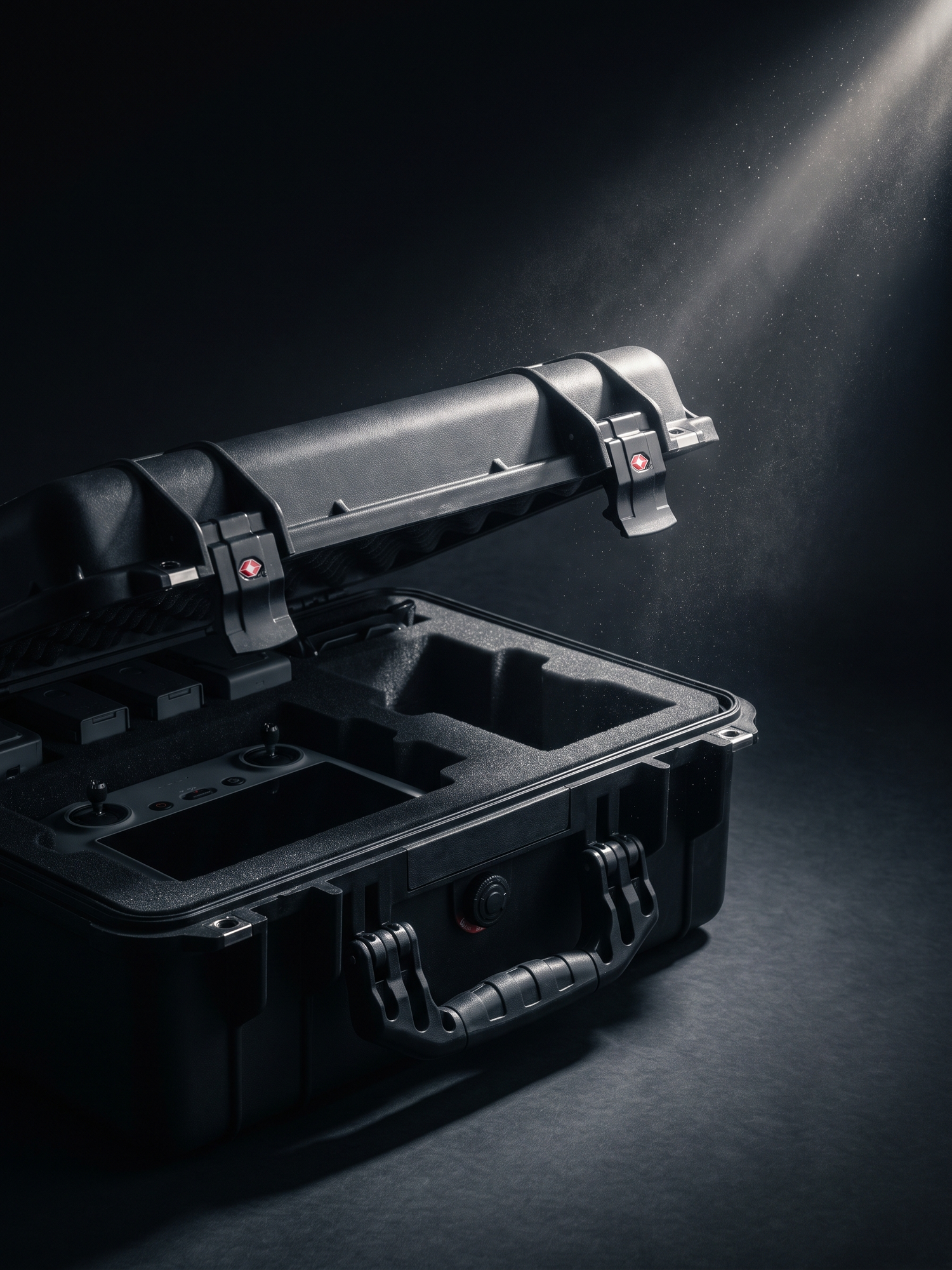
The investigation equipment case is essential gear for forensic personnel, and its quality directly affects evidence preservation and investigation efficiency.
1. Materials and Craftsmanship
1.1 Case Materials
High-quality investigation equipment cases use ABS+PP co-injection molding process, with wall thickness no less than 5mm, featuring impact resistance, corrosion resistance, and lightweight characteristics.
1.2 Sealing Technology
The case uses automotive-grade silicone sealing strips with a temperature resistance range of -40℃ to +120℃, combined with double-sided spring locks ensuring IP65-level sealing effect.
2. Internal Layout Design
2.1 Custom Foam
Precision instruments must be fixed through custom EVA/PU foam hole-embedding with density no less than 45D, with no looseness between instrument and foam.
2.2 Quick-Access Design
Frequently used tools should be placed in shallow drawers at the top of the case, accessible immediately upon opening; large equipment placed in the middle layer to avoid repeated searching.
3. Certification and Testing
When purchasing, request third-party testing reports from suppliers, with key verifications:
- Drop test (1.2m free fall, equipment undamaged)
- Waterproof test (IP65 standard)
- Vibration test (MIL-STD-810H test reports available on request (8-series Premium models))
4. Supplier Selection
It is recommended to select manufacturers with export experience; products should simultaneously meet ATA300 air transport standards and EN standards for more guaranteed quality stability.