Cultural Relic Exhibition Transport Packaging Solutions
5 Key Takeaways: Cultural Relic Exhibition Transport Packaging Solutions
- Topic: Cultural Relics — industry context for B2B buyers and procurement teams
- Date: 2026-09-11 — current standards, certifications and market conditions
- Applications: protective cases for industrial tools, MRO, photography, drones, defense, medical devices, marine, audio
- Procurement: MOQ 500 pieces per Pantone color, 30–45 days lead time after tooling approval, CE/RoHS/REACH/ISO 9001
- Shipping: EXW Guangdong (pickup) or FOB Shenzhen / Ningbo (sea freight). 28–35 days to Hamburg / Rotterdam
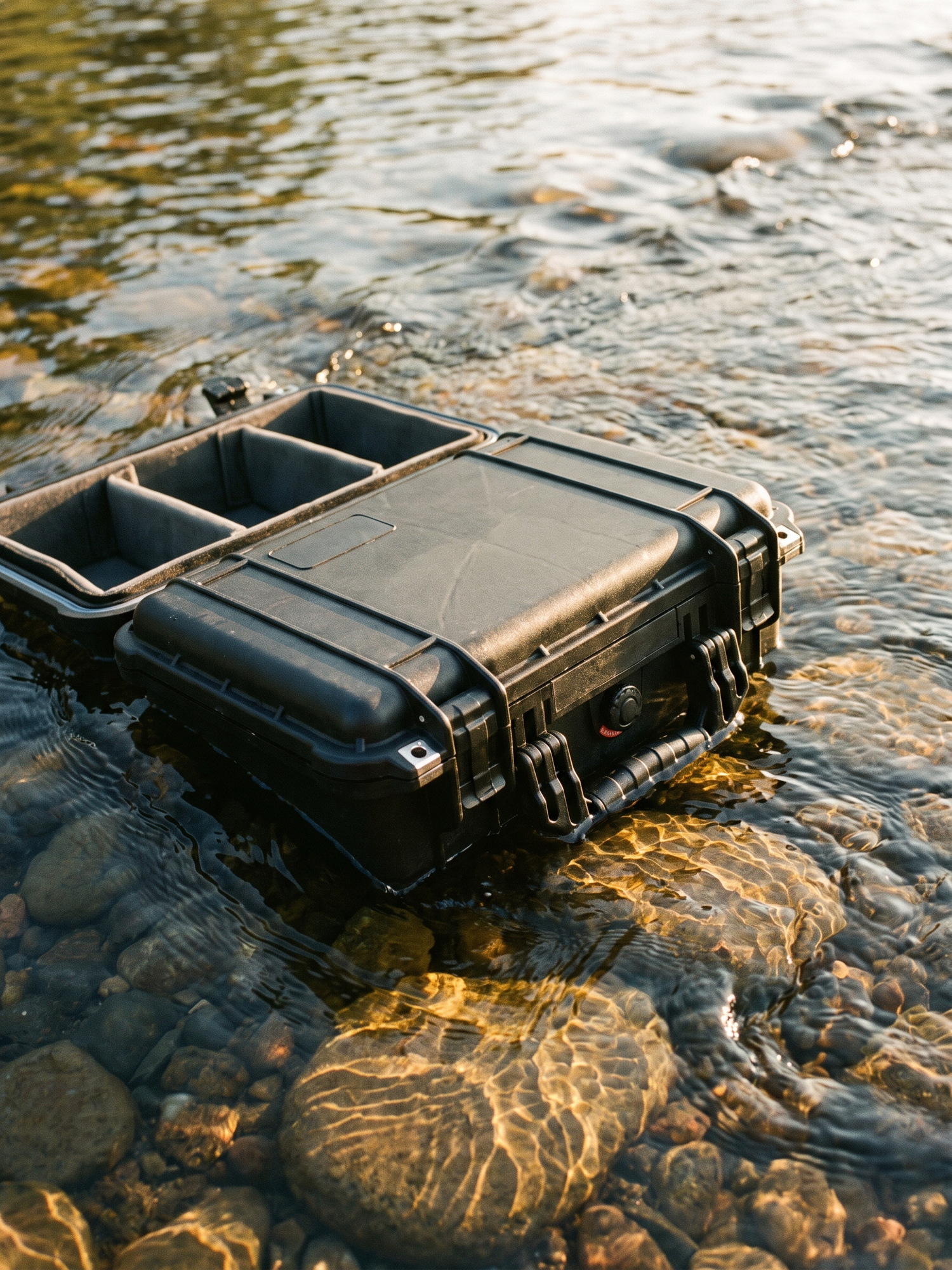
The special nature of cultural relics determines that their packaging solutions must balance both physical protection and environmental control as two core needs.
1. Special Challenges of Cultural Relic Packaging
1.1 Vibration Control
Cultural relic packaging requires a three-stage shock absorption system:
- Stage 1: Elastic cushioning layer at container bottom
- Stage 2: High-density spring isolation between inner and outer boxes
- Stage 3: EVA buffer layer between relics and inner box, thickness no less than 120mm
1.2 Temperature and Humidity Control
It is recommended to install micro data loggers inside cases to monitor temperature and humidity changes throughout transport in real time, with alerts for anomalies. Recommended temperature control accuracy ±1℃, humidity control accuracy ±5%RH.
2. Packaging Material Selection
The following materials are prohibited in cultural relic packaging:
- Chlorine-containing plastics (such as PVC) — may release corrosive gases
- Untreated pine wood — may harbor pests
- Ordinary pearl cotton — static electricity may damage sensitive relics
It is recommended to use acid-free paper lining + EVA combination, compliant with international museum relic protection standards.
3. Shock Indicator Configuration
Fragile relics transport must be equipped with TSA-approved shock indicators (Shock Watch), allowing recipients to intuitively determine whether abnormal impacts occurred during transport.
4. Full-Track Transport Monitoring
It is recommended to use intelligent packaging solutions equipped with GPS positioning and remote environmental monitoring, with data uploaded to cloud platforms in real time to ensure full traceability of relic conditions.