Tactical Equipment Box Selection Guide: Core Metrics for B2B Buyers
5 Key Takeaways: Tactical Equipment Box Selection Guide: Core Metrics for B2B
- Topic: Tactical — industry context for B2B buyers and procurement teams
- Date: 2026-09-11 — current standards, certifications and market conditions
- Applications: protective cases for industrial tools, MRO, photography, drones, defense, medical devices, marine, audio
- Procurement: MOQ 500 pieces per Pantone color, 30–45 days lead time after tooling approval, CE/RoHS/REACH/ISO 9001
- Shipping: EXW Guangdong (pickup) or FOB Shenzhen / Ningbo (sea freight). 28–35 days to Hamburg / Rotterdam
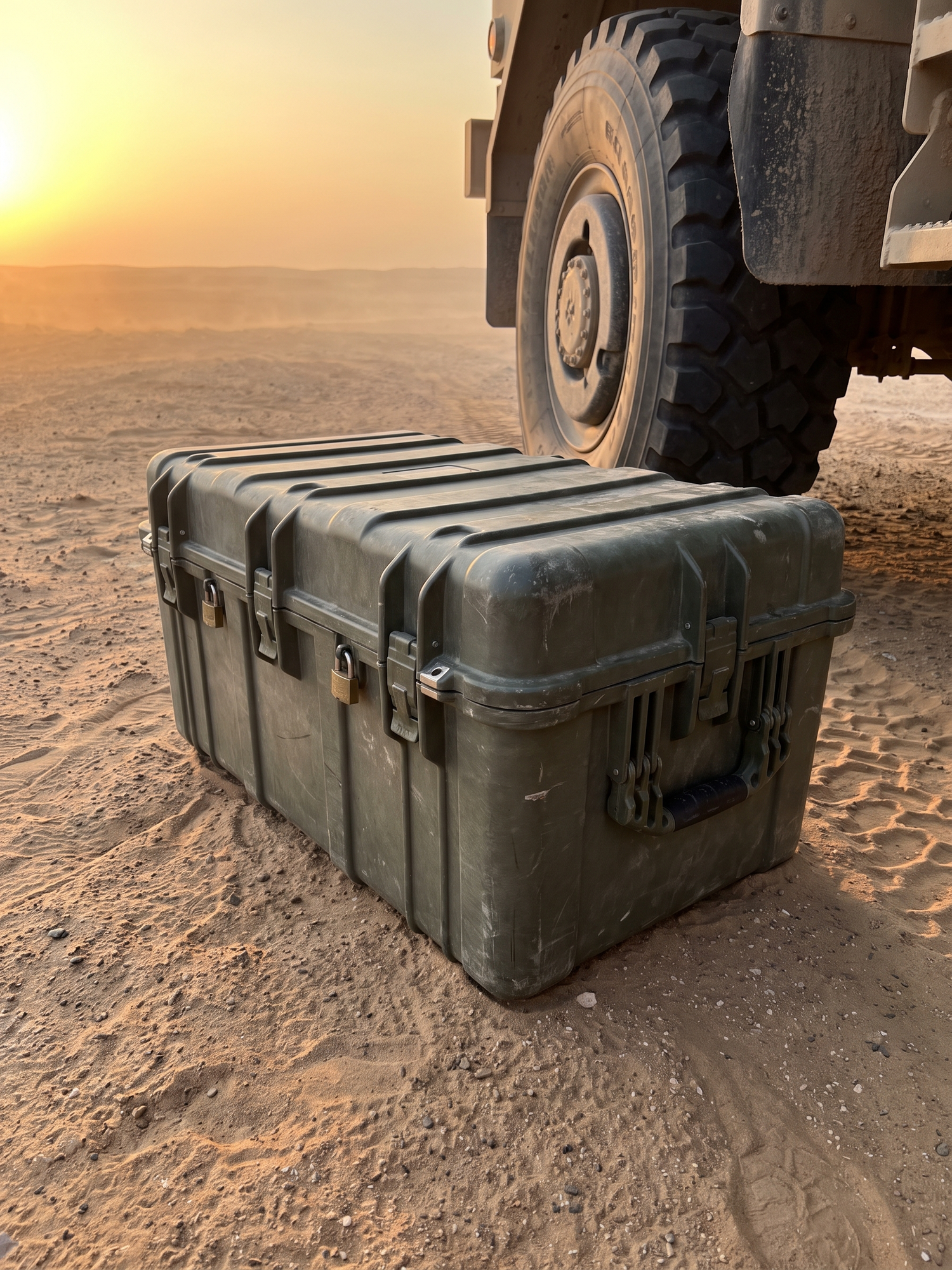
The Tactical Equipment Box is a rigid-shell protective container for loading critical equipment in tactical / law enforcement scenarios. This article organizes core purchasing metrics and applicable standards from the tactical / law enforcement end-user perspective.
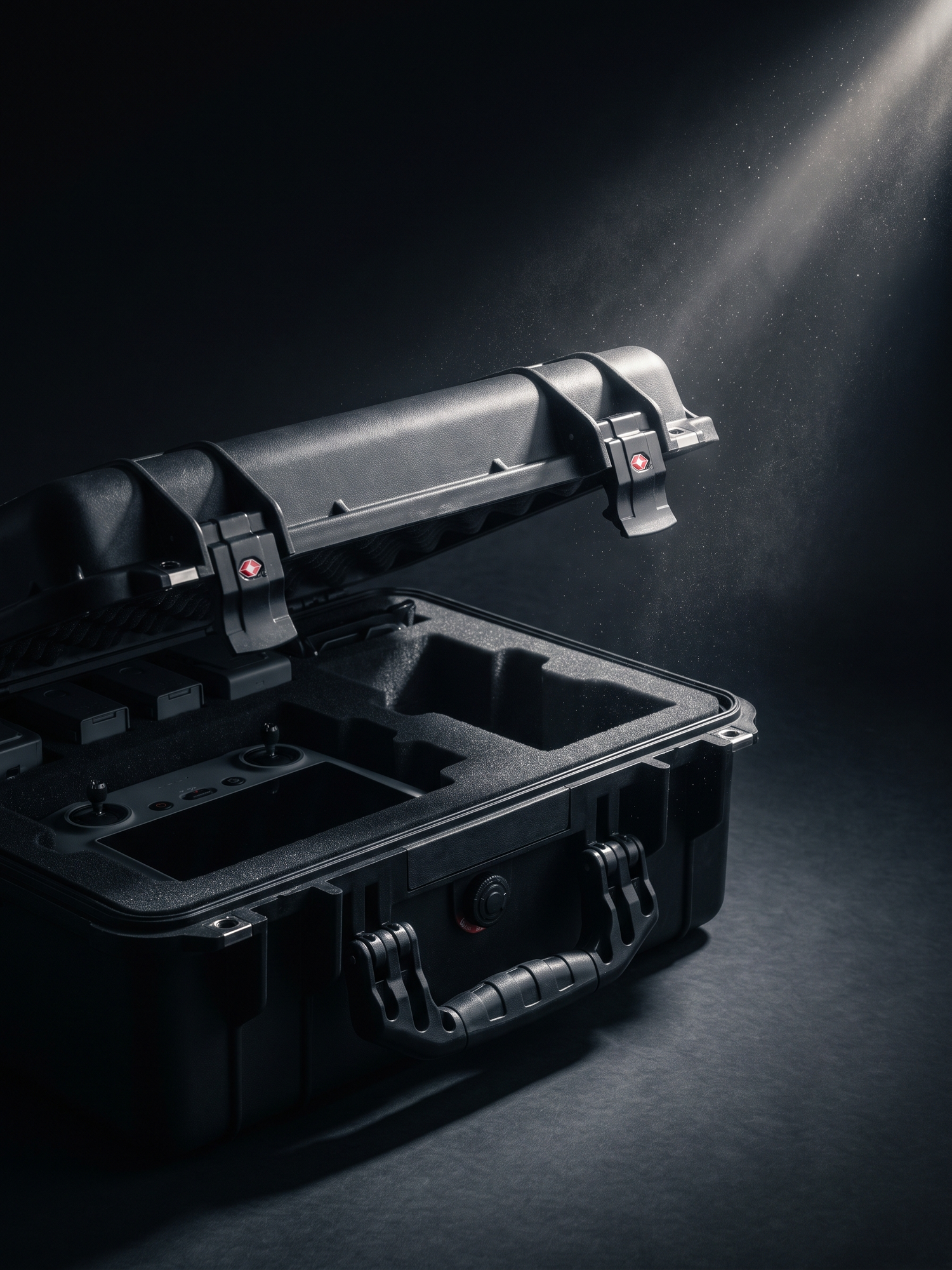
5 Key Takeaways
- Core definition: rigid-shell protective container conforming to IP67, for loading tactical / law enforcement equipment.
- Key standards: 6 dimensions — IP protection / drop test / material compliance / lining / latch / certification.
- Typical scenarios: on-site operations, medical transport, precision equipment transport, aviation/vehicles, industrial production.
- Certification combinations: IP65/67/68, MIL-STD-810H, ASTM D4169, ISO 13485, CE, FDA 510(k), WHO PQS, ROHS, REACH.
- Procurement advice: B2B factory direct OEM, 50 pcs MOQ for standard mold, 500 pcs for custom mold, mold fee 8,000–25,000 CNY.
Table of Contents
1. What Is It
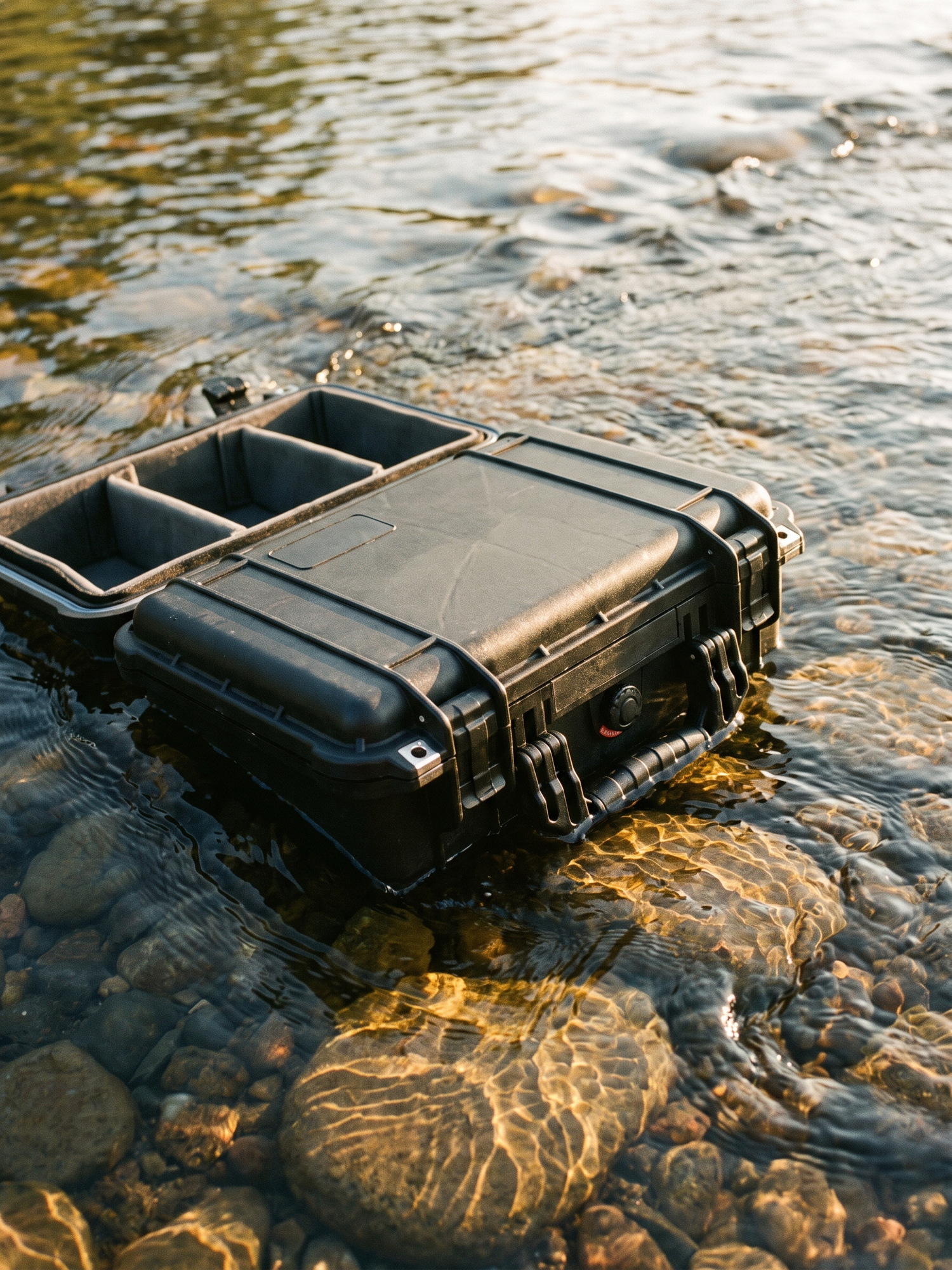
The Tactical Equipment Box is a rigid-shell protective case conforming to IP67, capable of loading tactical / law enforcement equipment. In tactical / law enforcement scenarios, the protective case primarily assumes shock absorption, drop resistance, sealing, moisture protection, dust protection, and cold chain maintenance — key infrastructure for tactical / law enforcement equipment transport and storage.
Compared with ordinary tool boxes and transport cases, the differences are: higher protection level requirements (typically IP65–IP68), stricter impact resistance tests (reference MIL-STD-810H or EN 1789), and more complex shell material compliance requirements (food-grade/medical-grade/fire-retardant certifications).
2. Core Technical Metrics
2.0 Specification Comparison Table
| Spec | Entry | Professional | Hospital/Export |
|---|---|---|---|
| IP Rating | IP54 | IP67 | IP68 |
| Drop Test | 0.6 m | 1.22 m | 1.5 m |
| Material | Food-grade PP | Engineering PP | Engineering + Antibacterial/Antistatic |
| Lining | EPE | EVA CNC | PU Pick-N-Pluck |
| Latch | Push-button | Trigger | Two-stage + TSA |
| Certification | ROHS | IP + CE | Full Medical/Military/Police |
| Application | Entry | Mainstream | High-end Export |
2.1 IP Protection Rating
For B2B industrial tactical equipment box, minimum is IP67 — complete dust protection and 1 m water depth for 30 minutes immersion. Common working conditions in tactical / law enforcement include rain/snow weather, humid environments, maritime/outdoor operations; some scenarios require upgrade to IP68. KeXinMaterials sends each production batch to SGS, BV, or TUV for third-party IP sampling tests.
2.2 Drop / Impact Test
Reference MIL-STD-810H Method 516.8 (1.22 m 6-face 12-corner drop) and ASTM D4169 (transport container 12-edge drop). In tactical / law enforcement scenarios, at least the 1.22 m drop test is recommended; cabin/vehicle scenarios should additionally meet EN 1789.
2.3 Material and Wall Thickness
Engineering PP dominant. tactical / law enforcement scenarios have special material requirements: medical grade requires ISO 10993 biocompatibility + USP Class VI; explosion-proof scenarios require antistatic coating with surface resistance 10^6 to 10^9 ohms; food/cold chain scenarios require FDA/LFGB food contact certification. Wall thickness recommended ≥4 mm; engineering formula (PP + 20% glass fiber) wall thickness 5 mm can pass IK10.
2.4 Lining System
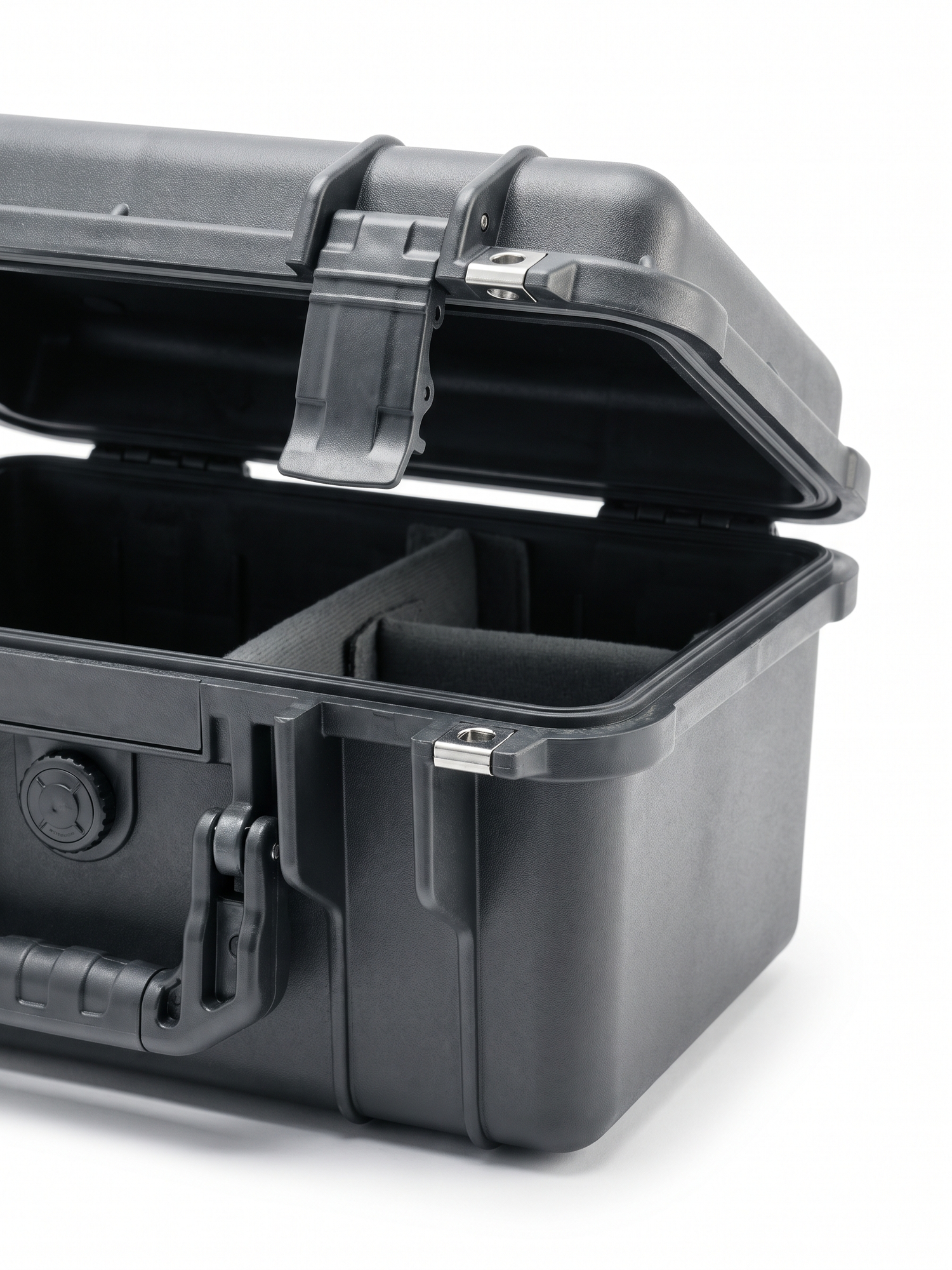
Three types: EVA CNC laser cutting (customized slots, medical standard), PU Pick-N-Pluck (hand-tearable foam, tool standard), EPE pearl cotton (single-use). For tactical / law enforcement, EVA CNC cutting is recommended with slots customized per loading list.
2.5 Latches and Handles
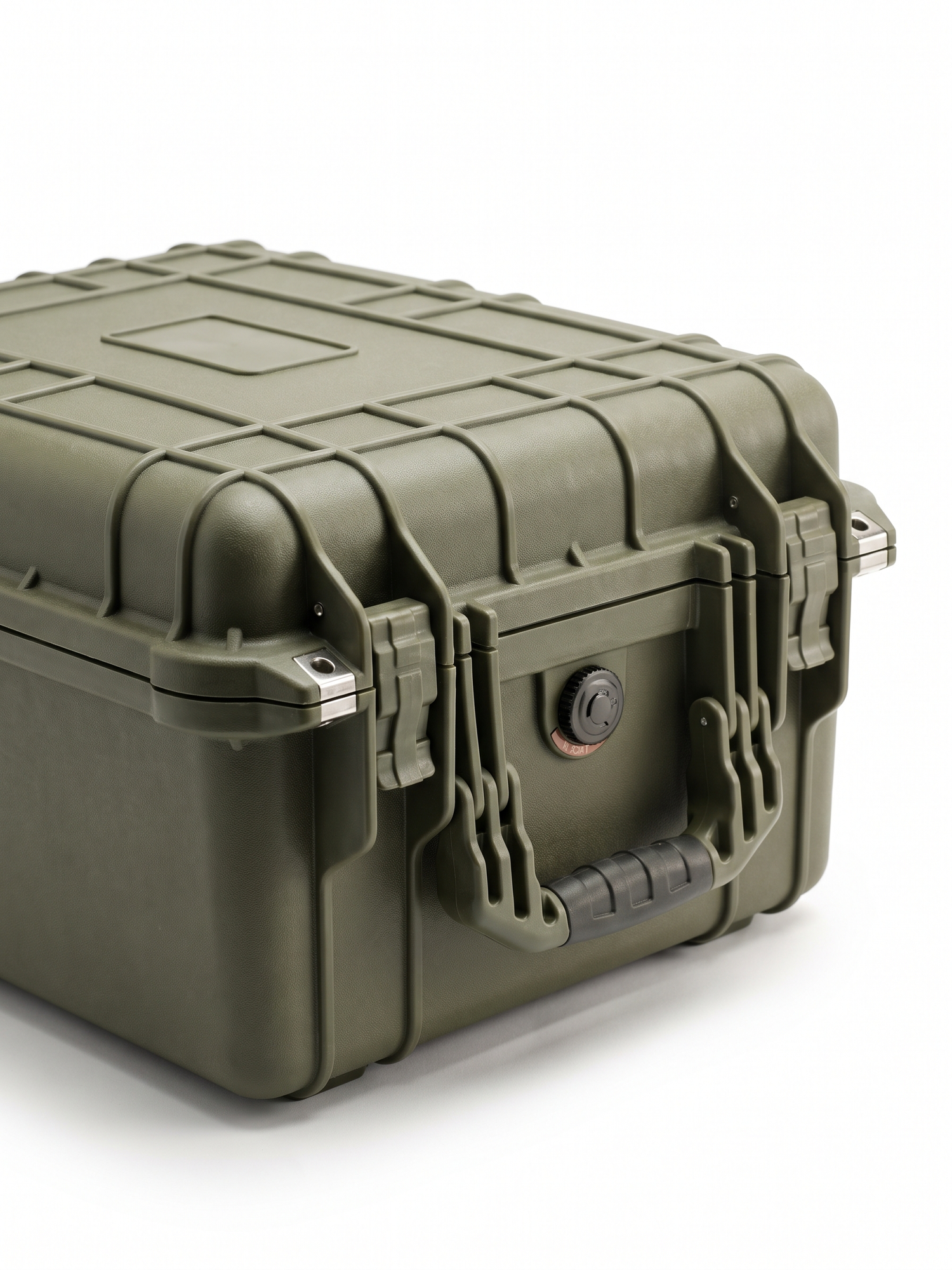
Trigger latch allows one-hand lid opening, most suitable for first aid/medical/police rapid response. Cabin/military/police scenarios equip two-stage latches — more powerful but requiring two hands. Handle should be ergonomic, fatigue-free during prolonged carrying.
2.6 Dimensions
4 size ranges: Compact 30–50 cm (personal first aid kit), Standard 50–80 cm (vehicle mainstream, n=320 inquiry share 58%), Extended 80–120 cm (multi-equipment), Long 120–160 cm (ventilator + monitor full set). Before procurement, measure load dimensions plus accessories, add 5–10 cm buffer.
2.7 Standards and Certifications
IP65/IP67/IP68, MIL-STD-810H, ASTM D4169, ISO 13485, EN 1789, CE / FDA 510(k) / NMPA, WHO PQS, ROHS / REACH, ISO 10993 / USP Class VI, ATA 300. Depends on end market (North America / EU / Middle East / Southeast Asia).
3. Typical Application Scenarios
tactical / law enforcement typical applications: on-site operations (outdoor exploration, emergency rescue, military, police), medical transport (pre-hospital, inter-hospital, disaster, biological samples), precision equipment transport (optical, measuring, medical, test reagents), aviation/vehicles (aviation, emergency tools, shipboard), industrial production (factory rotation, production line, quality inspection).
4. Selection Advice
4.1 Clarify End Use
Three questions: load list, typical working conditions (outdoor/vehicle/cabin/indoor), target market (determines certification combination). Slot customization is the most overlooked detail.
4.2 Standard vs Custom Mold
Standard mold: 50 pcs MOQ, no mold fee, 1–2 week delivery. Custom mold: 500 pcs MOQ, mold fee 8,000–25,000 CNY, first mass production 25–30 days after 3D drawing confirmation.
4.3 Factory Inspection
Request: factory license and ISO 9001:2015 / ISO 13485, third-party IP test report (SGS / BV / TUV), drop test report, material analysis report, KeXinMaterials 2025 production records, KeXinMaterials 2025 IWA OutdoorClassics signing records.
5. FAQ
Q1. What is the minimum IP rating?
IP67 recommended at minimum. For complex conditions in tactical / law enforcement, upgrade to IP68 advised. Standard mold ships default IP67, each batch undergoes third-party IP sampling, with SGS / BV / TUV report.
Q2. What material is used?
Engineering PP dominates. For medical grade in tactical / law enforcement, engineering PP with antibacterial coating is recommended, conforming to ISO 10993 and USP Class VI.
Q3. What is the OEM MOQ?
Standard mold 50 pcs MOQ, custom mold 500 pcs MOQ. Mold fee 8,000–25,000 CNY, first mass production 25–30 days after 3D drawing confirmation. Sample in 3–7 days, 3 foam solutions for comparison.
Q4. What certifications can it pass?
IP65/67/68, MIL-STD-810H, ATA 300, ASTM D4169, ISO 13485, CE, FDA 510(k), WHO PQS, ROHS, REACH, EN 1789, EN 285, ISO 17665, EN 45545-2, UL94-V0, UN 0336. Selection per target market.
Q5. How many times can it withstand 134°C sterilization?
Medical-grade PP injection case can withstand ≥2000 cycles 134°C steam sterilization, following EN 285 / ISO 17665. Each batch undergoes third-party aging test.
Q6. What is the FOB reference price?
Reference 35–120 USD/pc FOB Shenzhen or Ningbo (per size/certification/MOQ). 20-ft container: several hundred pcs; 40-ft High Cube: over a thousand.
Q7. What trade terms for China exports?
Only EXW (ex-works) and FOB (Shenzhen / Ningbo). No DDP direct delivery, no overseas warehouse, no retail business.
Q8. How long is the custom mold development cycle?
First mass production 25–30 days after 3D drawing confirmation. Sample in 3–7 days. Mold fee 8,000–25,000 CNY. Standard mold: 1–2 weeks.
Disclaimer: Equipment mentioned is for descriptive purposes only. KeXinMaterials does not directly sell equipment.