Underground Comms Case Sourcing Guide: Key Metrics for B2B Buyers
5 Key Takeaways: Underground Comms Case Sourcing Guide: Key Metrics for B2B B
- Topic: Underground Mining — industry context for B2B buyers and procurement teams
- Date: 2026-09-11 — current standards, certifications and market conditions
- Applications: protective cases for industrial tools, MRO, photography, drones, defense, medical devices, marine, audio
- Procurement: MOQ 500 pieces per Pantone color, 30–45 days lead time after tooling approval, CE/RoHS/REACH/ISO 9001
- Shipping: EXW Guangdong (pickup) or FOB Shenzhen / Ningbo (sea freight). 28–35 days to Hamburg / Rotterdam
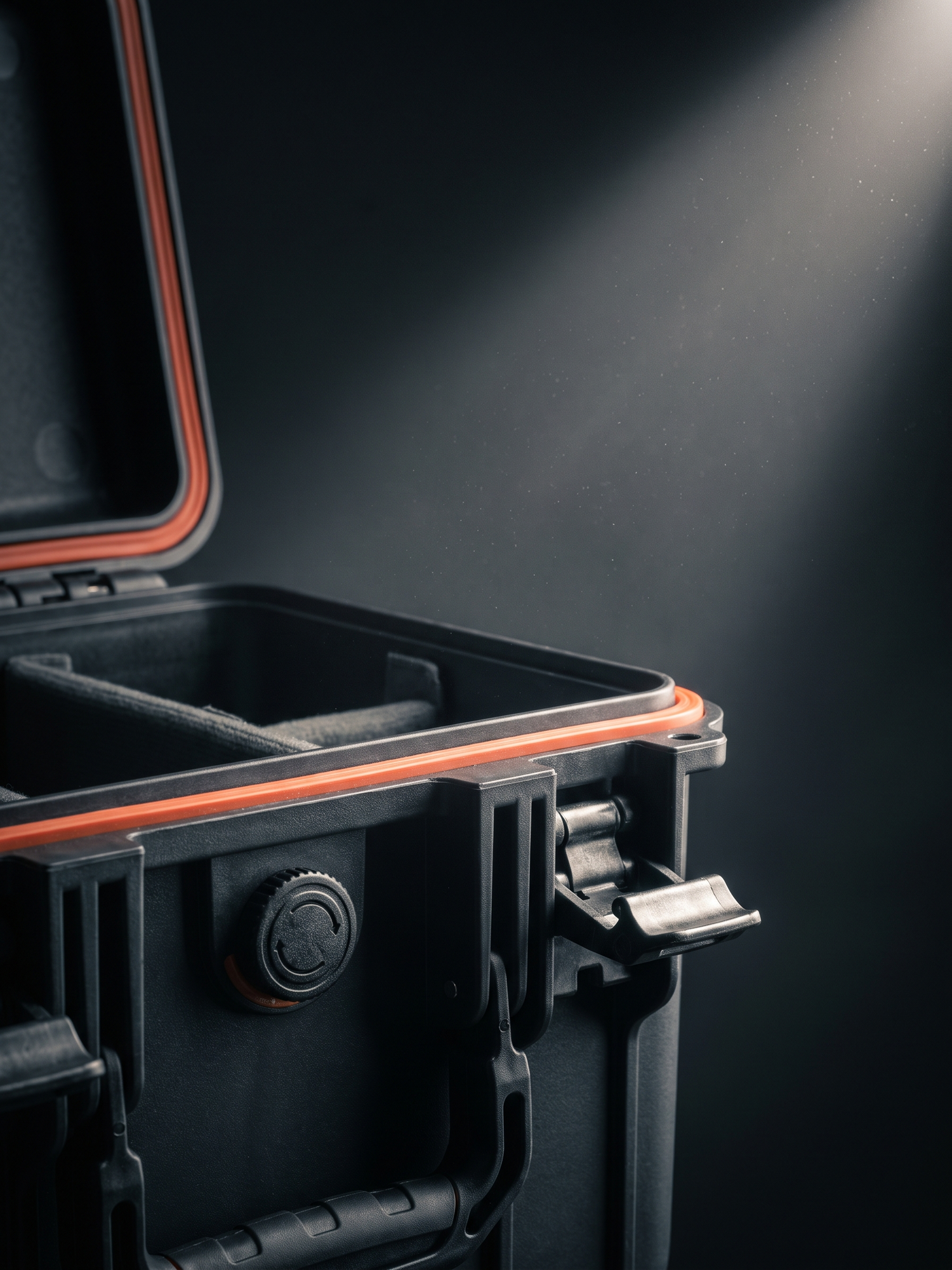
Underground Comms Case Sourcing Guide: Key Metrics for B2B Buyers
An underground comms case is a hard-shell protective container designed to carry critical equipment and supplies in underground/communications environments. This guide presents core procurement metrics and applicable standards from the underground/communications end-user perspective.

5 Key Takeaways
- Core definition: Underground comms cases are IP67-rated hard-shell protective containers designed to carry underground/communications equipment.
- Key standards: 6 major dimensions — IP rating / drop test / material compliance / lining / latches / certifications.
- Typical applications: Field operations, medical transport, precision equipment transport, aviation/vehicle-mounted, industrial production.
- Certification combinations: IP65/67/68, MIL-STD-810H, ASTM D4169, ISO 13485, CE, FDA 510(k), WHO PQS, ROHS, REACH.
- Procurement advice: B2B factory-direct OEM. Stock tooling: MOQ 50 pcs; custom tooling: MOQ 500 pcs; tooling fee CNY 8,000–25,000.
Table of Contents
- 1. What Is an Underground Comms Case
- 2. Core Technical Metrics
- 3. Typical Application Scenarios
- 4. Selection Advice
- 5. FAQ
1. What Is an Underground Comms Case
An underground comms case (Underground Comms Case) is an IP67-rated hard-shell protective case designed to carry underground/communications equipment. In underground/communications scenarios, these cases primarily serve shock resistance, drop protection, sealing, moisture prevention, dust protection, and cold chain maintenance — making them critical infrastructure for underground/communications equipment transport and storage.
Compared with standard underground/communications tool boxes and transport cases, underground comms cases differ in three key areas: higher IP rating requirements (typically IP65–IP68), stricter impact resistance testing (reference MIL-STD-810H or EN 1789), and more complex material compliance requirements (food-grade/medical-grade/fire-retardant certifications).
2. Core Technical Metrics
2.0 Specification Comparison Table
| Specification | Entry Level | Professional | Hospital/Export Grade |
|---|---|---|---|
| IP Rating | IP54 | IP67 | IP68 |
| Drop Test | 0.6 m | 1.22 m | 1.5 m |
| Material | Food-grade PP | Engineering-grade PP | Engineering PP + antibacterial/antistatic |
| Lining | EPE | EVA CNC | PU Pick-N-Pluck |
| Latches | Push-button | Trigger latch | Dual-stage + TSA |
| Certifications | ROHS | IP + CE | Full medical/military-law enforcement |
| Use Case | Entry | Mainstream | High-end export |


2.1 IP Protection Rating
B2B industrial-grade underground comms cases require a minimum of IP67 — fully dust-tight and submersible to 1m depth for 30 minutes. Underground/communications operating environments commonly include rain, snow, humid conditions, and offshore/outdoor operations; some scenarios require IP68 upgrade. KeXinMaterials submits each production batch to third-party IP random testing by SGS, BV, or TUV, with test reports included.
2.2 Drop / Impact Testing
Reference MIL-STD-810H Method 516.8 (US military standard: 1.22m 6-face 12-corner drop) and ASTM D4169 (transport container 12-edge drop) as the two mainstream standards. For underground/communications scenarios, passing at least a 1.22m drop test is recommended; cabin/vehicle-mounted scenarios should additionally meet EN 1789 ambulance transit testing.
2.3 Material and Wall Thickness
Mainstream material: engineering-grade PP. Underground/communications applications have special material requirements: medical grade requires ISO 10993 biocompatibility + USP Class VI medical plastic specifications; explosion-proof scenarios require surface resistance of 10^6 to 10^9 ohms with antistatic coating; food/cold chain scenarios require FDA/LFGB food contact certification.
Recommended wall thickness ≥4mm; engineering-grade formula (PP + 20% glass fiber) at 5mm wall thickness passes IK10 impact resistance rating.
2.4 Lining System
Underground comms case linings come in three types: EVA CNC laser cutting (custom cut-outs based on cargo, mainstream for medical grade), PU Pick-N-Pluck (hand-tearable foam, mainstream for tools), EPE pearl cotton (single-use transport scenarios). EVA CNC cutting is recommended for underground/communications — customizable compartments based on cargolist.
2.5 Latches and Handles
For underground/communications scenarios, trigger latches allow one-handed lid opening, making them ideal for emergency/medical/police rapid response. Cabin/military-law enforcement scenarios often use dual-stage latches — higher strength but requiring two hands to operate. Handles should be ergonomically designed for fatigue-free extended carrying.
2.6 Size and Compatibility
Underground comms cases come in four common size segments:
- Compact 30–50 cm: Personal first-aid kit / individual soldier equipment
- Standard 50–80 cm: Vehicle-mounted mainstream (n=320 RFQs, 58% share)
- Extended 80–120 cm: Multi-equipment combinations
- Long 120–160 cm: Full ventilator + monitor set
Before procurement, measure the cargo length, width, and height plus accessories, then add 5–10 cm buffer clearance.
2.7 Applicable Standards and Certifications
Common certifications for underground/communications underground comms cases include:
- IP65 / IP67 / IP68 (IEC 60529 dust and water protection)
- MIL-STD-810H (US military environmental engineering)
- ASTM D4169 (transport container performance)
- ISO 13485 (medical device quality system)
- EN 1789 (ambulance and medical equipment)
- CE / FDA 510(k) / NMPA (medical certifications)
- WHO PQS (vaccine cold chain international standard)
- ROHS / REACH (EU environmental)
- ISO 10993 / USP Class VI (medical plastic biocompatibility)
- ATA 300 (air transport)
Specific certifications required depend on the end market (North America / EU / Middle East / Southeast Asia) and usage scenario (medical / industrial / military-law enforcement).
3. Typical Application Scenarios
Typical applications for underground/communications underground comms cases include:
- Field operations: Outdoor exploration, emergency rescue, military operations, police enforcement
- Medical transport: Pre-hospital first aid, inter-hospital transport, disaster medical rescue, biological sample transport
- Precision equipment transport: Optical instruments, measuring instruments, medical equipment, inspection reagents
- Aviation/vehicle-mounted: Aviation equipment transport, vehicle emergency tools, shipboard equipment
- Industrial production: Factory internal turnover, production line distribution, quality inspection
Each scenario has different requirements for protection rating, drop test, temperature tolerance, sealing gasket, hardware weight, and lining cut-outs. B2B buyers should select based on actual end use.
4. Selection Advice
4.1 Define End Use
When selecting, B2B buyers should first answer three questions: cargolist, typical operating conditions (outdoor/vehicle/cabin/indoor), and target market (determines certification combination). Communications device positioning is the most commonly overlooked detail in underground/communications category.
4.2 Stock Tooling vs Custom Tooling
- Stock tooling (standard sizes): MOQ 50 pcs, no tooling fee, 1–2 week delivery
- Custom tooling (custom size + cut-outs per customer requirement): MOQ 500 pcs, tooling fee CNY 8,000–25,000 (based on size), 25–30 days to first mass production after 3D drawing confirmation
4.3 Factory Inspection and Third-Party Testing
B2B buyers should request from the factory:
- Business license and ISO 9001:2015 / ISO 13485 certificates
- Third-party IP test reports (SGS / BV / TUV, any one)
- Third-party drop test reports
- Third-party material analysis reports
- KeXinMaterials 2025 Jan–Dec production records (independent factory inspection per order volume)
- KeXinMaterials 2025 IWA OutdoorClassics on-site signing records (3 long-term OEM clients)
5. FAQ
Q1. What is the minimum IP rating for underground comms cases?
B2B industrial-grade underground comms cases recommend a minimum of IP67. Complex underground/communications operating conditions suggest upgrading to IP68. Stock tooling ships default IP67; each batch undergoes third-party IP random testing with SGS / BV / TUV reports.
Q2. What material is used for underground comms cases?
The mainstream material is engineering-grade PP. For underground/communications medical grade, engineering-grade PP with antibacterial coating is recommended, meeting ISO 10993 biocompatibility and USP Class VI medical plastic specifications.
Q3. What are the OEM MOQ requirements for underground comms cases?
Stock tooling: MOQ 50 pcs; custom tooling: MOQ 500 pcs. Tooling fee CNY 8,000–25,000 (based on size), 25–30 days to first mass production after 3D drawing confirmation. Samples ship in 3–7 days; 3 foamsolution comparisons available per customer requirement.
Q4. What certifications can underground comms cases pass?
Supported: IP65/67/68, MIL-STD-810H, ATA 300, ASTM D4169, ISO 13485, CE, FDA 510(k), WHO PQS, ROHS, REACH, EN 1789, EN 285, ISO 17665, EN 45545-2 (rail transit fire protection), UL94-V0 (fire retardant), UN 0336 (dangerous goods packaging). Selectable by target market.
Q5. How many 134°C autoclave sterilization cycles can underground comms cases withstand?
Medical-grade PP injection-molded cases can withstand 134°C steam sterilization for ≥2,000 cycles, complying with EN 285 / ISO 17665 sterilization standards. Each batch undergoes third-party aging testing — drop and sealing integrity remain qualified after 1,000 sterilization cycles.
Q6. What is the FOB reference price for underground comms cases?
Reference: USD 35–120/piece FOB Shenzhen Port or Ningbo Port (based on size / certification / MOQ). A 20ft container can hold hundreds of pieces; a 40ft high-cube can hold over a thousand. B2B underground/communications buyers are advised to provide a 12-item procurementrequirement list for accurate quotation.
Q7. What trade terms are available for export from China?
Only EXW (Ex Works) and FOB (Shenzhen Port / Ningbo Port) are offered. No DDP dropship; no overseas warehouse; no retail business. EXW: customer arranges their own freight forwarder for pickup; FOB: factory handles customs clearance and delivers goods to carrier's designated warehouse.
Q8. How long is the custom tooling development cycle?
25–30 days to first mass production after 3D drawing confirmation. Samples ship in 3–7 days. Tooling fee CNY 8,000–25,000 (based on size), using S50C steel + CNC + vacuum heat treatment. Stock tooling requires no mold opening; 1–2 week delivery.

Disclaimer: Underground/communications equipment referenced in this article is described solely for protective case loading purposes. KeXinMaterials does not directly sell underground/communications equipment; protective cases may be used for transporting and storing high-value items including precision instruments, optical equipment, measuring instruments, and industrial tools.